22°C

Book Now
TLLH® SUSTAINABILITY TOUR
TO PREPARE
– Read below Blog Post related to SUSTAINABILITY
COCONUT CHARCOAL
https://www.thelomboklodgelive.com/cooking-with-lombok-coconut-charcoal
.
COCONUT – TREE OF LIFE
https://www.thelomboklodge.com/blog/the-lombok-tree-of-life
TURTLE CONSERVATION
LOMBOK TREASURES
> KARUNG GONI
> KAYU BAKAR
> TALI BANANA
> TAPIS
– Wooden spoons as numbers of guest + one for the guide
-Wooden underliner for the WOODEN spoons
-Tissue Box
– Pre-Dinner Tray with 2 / 3 Cocos and TLLH Paper + Bungkus Paper inside
– Banana leaf as table deco
– Bee protector (only one as sample) – TO EXPLAIN NOT NEEDED AS STINGLESS
**Not available, please order
BAGGUSSEKALI DISPLAY
– One Boutique Bag
– Trigona Honey in Pinewood BOX to show as sample (by Anja today)
– Gift Hamper in Pine Wood Box as Sample (by Anja today)
– Gift Hamper Set as display (by Anja today).
– One set of Coco Cutlery as display (by Anja today)

BAGUSSEKALI COLLECTION
TURTLE CONSERVATION
REMINDERS SUSTAINABILITY TOUR
PROGRAM
1. START AT BEE HIVES / EXPLAIN ABOUT LIQUID GOLD
2. LOCAL EMPOWERMENT – BAGUSSEKALI COLLECTION – LOMBOK TREASURES
3. MORINGA TREE
4. PAPAYA STRAWS
5. HERB GARDEN & TOMATOES
6. RICE FIELDS
7. DUCK GARDEN
8. COCONUT GROVE
9. TURTLE NESTING
** Inform about Turtle Gazette, Turtle Quiz, etc
10. TURTLE CONSERVATION / SANCTUARY
11. BAGUSSEKALI SHOPPING at BOUTIQUE
12. END OF TOUR
REUSABLE WATER BOTTLES
Upon check-in, every guest at The Lombok Lodge Boutique Hotel, Medana Bay – as well as at the brand new Private Villa Estate, Gondang Beach – receives a reusable water bottle free of charge, which they can use for the duration of the stay, and take home as a reminder of their holiday.
As a guest at The Lombok Lodge Hospitality Services, you can request for your water bottle to be refilled at any time, with your choice of water, ice water, or the healthy detox water of the day.
In addition, as a part of our effort for sustainability, we have also stopped using plastic water bottles altogether. Guests at The Lombok Lodge, and at the Private Villa Estate, will find complimentary glass water bottles, of which the empty ones are collected and recycled.
LOCAL EMPOWERMENT
At The Lombok Lodge Hospitality®, sustainability is closely connected to local craftsmanship and community empowerment. The Lombok Lodge Collection works with local eco-artisans to transform natural and biodegradable materials—including coconut, wood, clay and naturally dyed textiles—into beautiful handmade products.
By reducing waste, choosing eco-friendly materials, paying artisans ethically and creating local employment, particularly for women and communities experiencing poverty, the initiative combines environmental responsibility with meaningful social impact. Traditional Lombok craftsmanship is preserved while creating a more sustainable future for the island and its communities.
LOMBOK | ISLAND TREASURES
Finding beauty in the materials, traditions and everyday objects of island life.
The beauty of Lombok is often found in the simplest things. Beyond its beaches and landscapes lies a world shaped by nature, tradition and the creativity of local hands.
KARUNG GONI
From humble sack to beautiful object
Traditionally made from jute, a natural plant fibre, karung goni was created to carry coffee, rice, cacao and other agricultural goods.
Its earthy colour, coarse texture and irregular weave give each piece its own character. Once its original purpose is complete, the fabric can be cleaned, cut and transformed into cushions, bags and decorative objects.
A humble material, given a beautiful second life.
KAYU BAKAR
The beauty of everyday life
Across Lombok, kayu bakar — firewood — remains part of daily life. Branches are collected, cut and left to dry beneath the tropical sun before being used for cooking and fires.
Rough bark, weathered surfaces and organic shapes give this everyday material an unexpected sculptural beauty.
Something ordinary becomes something worth noticing.
TALI BANANA
From tree to fibre
Banana trees grow abundantly across Lombok. After the fruit is harvested, parts of the plant can be transformed into natural fibre rather than simply discarded.
The fibres are separated, dried and twisted into tali — natural rope or cord. Strong, tactile and beautifully imperfect, it can be used for baskets, wrapping and handcrafted decorative details.
Nature transformed with simplicity and purpose.
TAPIS
Nature’s own textile
The coconut palm offers far more than its fruit. Tapis, the naturally fibrous sheath found around parts of the palm, resembles a delicate piece of woven textile.
Its intricate pattern, warm colour and irregular texture are created entirely by nature. Collected and dried, it becomes a beautiful material for decoration and handcrafted objects.
No two pieces are alike — nature has already created the design.
KAMBOJA
Flowers & wood
The kamboja, or frangipani tree, is an unmistakable part of tropical island life.
Its fragrant flowers become effortless natural decoration, while old branches and trunks can find a new purpose as wooden stools, coasters and decorative objects.
The imperfections of the wood — its knots, grain and organic forms — are not hidden, but celebrated.
From delicate flower to enduring wood, one tree offers two expressions of natural beauty.
TREASURES IN THE ORDINARY
Karung goni. Kayu bakar. Tali banana. Tapis. Kamboja.
Five simple materials, each telling a small story of Lombok — of nature, resourcefulness, craftsmanship and the beauty of using what is already there.
Perhaps that is the real luxury of island life: not having more, but seeing more — and discovering beauty in the ordinary.
GROWING OUR OWN FOOD
AT THE PRIVATE VILLA ESTATE, GONDANG BEACH
To sustain the local environment, we grow our own vegetables! The Lombok Lodge ‘Organic Gardens by The Sea’ are located at our brand new Private Villa Estate. Carrots, Cherry Tomatoes, Spinach, Different Kinds of Lettuce, Eggplants, Lombok Chili, Sweet Potatoes and so many vegetables that are used by Chef Jiwa and his team for cooking.
Did you know that we have our own Cashew nut trees and that we roast our own organic cashew nuts?
Did you know that Chef Jiwa’s roasts The Lombok Lodge super healthy Cacao Nibs from our Cacao Tree?
What about our very own (stingless) bee farm at Lombok Private Villa Estate, from which we can harvest delicious organic honey to be used in cooking and tea-making?
Every private villa has its own Coconut Grove.
As well its own organic garden, with various vegetables and other plants to choose from. With extreme care and passion, The Lombok Lodge gardeners take daily care of the plants.
AT THE BOUTIQUE HOTEL, MEDANA BAY
Do not miss a visit to ‘The Organic Tea Garden’ at The Lombok Lodge Boutique Hotel, Medana Bay. We grow plants & herbs such as mint, Lombok Matcha (Moringa), Hibiscus, Rosella and many more, which are all used to make our own homemade teas.
> At the Tea Lounge – located in the Organic Tea Garden, guests can sit and enjoy their traditional afternoon tea, among the very plants from which it was made.
MORINGA | LOMBOK MATCHA
Moringa, lovingly known as “Lombok Matcha,” reflects a natural approach to wellness and sustainable living. Grown in the organic gardens of The Lombok Lodge Hospitality®, its leaves are handpicked and transformed into teas, smoothies, local dishes and wellness treatments.
Naturally thriving in Lombok’s tropical climate, Moringa celebrates locally grown ingredients, garden-to-table living and a deeper connection with nature. It embodies a philosophy where nourishment, simplicity and respect for the island’s natural resources come together.
PAPAYA STRAWS
Using plastic products and throwing them away looks trivial, especially single-use plastic straws, because of its small size and light weight. However, as trivial and small as this may seem, these trivial plastic products are not biodegradeable; they will outlive us, as well many generations to come.
Plastic straws have been in use since the 1960s, and for over 50 years it has had negative effects on our planet. It has been estimated that, by 2050, there will be more plastics than fish! Single-use plastic straws in particular, are non-biodegradable and are difficult to recycle because of its light weight, as it can not successfully make it through recycling equipment. Hence, other alternatives to plastic straws must be found.
Papaya straws present a dual advantage; it sustains our environment, and also provides papaya farmers with extra income, as they are the suppliers of the raw materials. Papaya leaves often go to waste at harvesting, as there are minimal uses for them. So they were left to biodegrade. However, papaya leaves are becoming an increasingly more popular commodity, as we move to more sustainable alternatives to plastic straws.
TREE OF LIFE
The coconut palm, known in Lombok as the “Tree of Life,” is a remarkable example of sustainability rooted in local tradition. Almost every part of the tree is valued: the fruit provides fresh coconut water, milk and virgin coconut oil; husks and shells are transformed into natural household items, handicrafts, fuel and garden materials; while leaves, wood and fibres are used for building, weaving and everyday objects.
This resourceful, low-waste approach has supported Lombok communities for generations, combining traditional craftsmanship with responsible use of natural resources. Enjoying a fresh young coconut in Lombok is therefore more than a tropical pleasure—it is a simple connection to the island’s culture, local livelihoods and naturally sustainable way of life.
COCO CHARCOAL & CRAFTS
In Lombok, sustainability can begin with something as simple as a discarded coconut shell. Instead of becoming waste, the shells are transformed into natural coconut charcoal, giving a local resource a valuable second life. The charcoal burns hotter and longer with less smoke and is used for open-fire cooking of locally sourced seafood, organic vegetables and island ingredients.
The philosophy extends beyond the kitchen. Coconut shells are also transformed by local Eco-Artisans into handcrafted bowls, candles and jewellery, supporting meaningful employment for Lombok women and families. Combined with herbs from local gardens, island spices and charcoal sourced from local farmers, it represents a circular approach where waste is reduced, local craftsmanship is supported and natural resources are used thoughtfully.
A beautiful example of how sustainability, gastronomy and community can come together—from coconut shell to cooking fire, and from local hands to the guest experience.
CLOUD NINE & SASAK VILLA NUMBERS
At The Lombok Lodge Hospitality®, the number 9 has become a signature of balance, harmony, intimacy and thoughtful design: 9 Luxury Lodge Suites, 9 Beach Gazebos and 9 exclusive Beach Villas.
Inspired by Feng Shui, where 9 represents completeness, longevity and good fortune, the number beautifully reflects a hospitality philosophy centred on personal experiences, tranquillity and connection with nature.
Some call it Cloud Nine. We call it The Lombok Lodge Hospitality® — your Happy Place in Lombok and the Gili Islands.
90
HOSPITALITY TEAM MEMBERS
40
BUILDING CONSTRUCTORS
10
ARTICIANS & CRAFTS MEN
140
FAMILIES with a better future
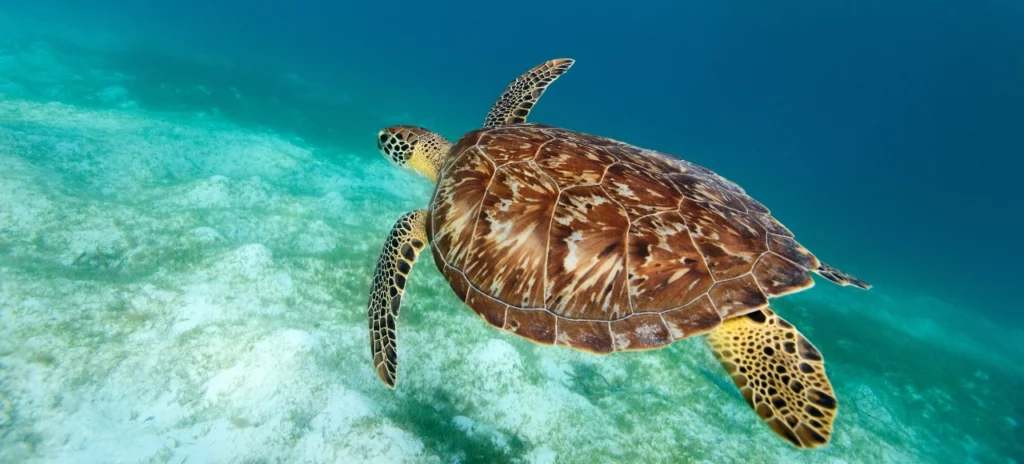
TURTLE CONSERVATION
– 3 YEARS OF PROTECTING NATURE = More than 700 BABY TURTLES WITH A BETTER FUTURE
The waters surrounding Lombok and the Gili Islands are home to green and hawksbill sea turtles, important species that contribute to the natural balance of seagrass beds, coral reefs and the wider marine ecosystem.
Local, community-led conservation initiatives help protect nesting beaches, safeguard vulnerable eggs and support hatchlings on their journey to the ocean. Responsible turtle releases, education and conservation programs give these remarkable animals a better chance of survival while encouraging greater respect for their natural habitat.
Supporting turtle conservation is part of a broader commitment to protecting Lombok and the Gili Islands’ biodiversity and preserving their natural beauty for future generations.
WORDS WORTH KEEPING #WWK
From Coaster to Cork | Sustainability, Naturally
We wanted our coasters to feel different from the traditional disposable bierviltje, so we chose cork.
Cork is a remarkable natural material. It comes from the outer bark of the cork oak tree. The bark can be carefully harvested without cutting down the tree. The cork oak remains alive and continues growing, while its bark regenerates and can be harvested again years later.
Natural, tactile, warm and beautifully imperfect – it felt right for Lombok.
But for us, sustainability is about more than the material.
It is also about the people behind it.
A Box of Wisdom as a souvenir #WWK
Today, our original wooden turndown quotes and as well our cork coasters have found their way from our guest rooms and tables into our hotel boutique.
Why? Because so many of our guests wanted to take them home.
And we couldn’t think of a better compliment.
So now, a selection of our favourite #WordsWorthKeeping comes together in a handcrafted wooden box
RICE FIELD TOURS & DUCKS
Lombok’s rice fields are living ecosystems where nature, agriculture and tradition exist in harmony. White ducks play an important role in this natural cycle, eating crop-damaging pests while naturally fertilising the soil—helping farmers reduce their reliance on chemical pesticides.
These landscapes also support birds, insects and aquatic life, while traditional farming practices preserve the health of the land for future generations. Experiencing Lombok’s rice fields is therefore more than enjoying their beauty—it is discovering a simple, authentic and sustainable relationship between people and nature.
IBU ANTJES DUCK GARDEN
At the Lombok Private Villa Estate, nature is part of everyday life. The growing duck family lives freely among the gardens, creating an authentic connection between guests, animals and the island’s natural surroundings.
Caring for the ducklings—including adopting young ducks from a local farmer—reflects a gentle philosophy of animal welfare, local community connection and respect for nature. For guests, especially children, it offers a meaningful way to experience Lombok’s biodiversity and understand the importance of caring for the natural world.
A simple reminder that sustainability is also about living thoughtfully alongside nature and protecting the life that surrounds us.
Why Ducks in the Rice Fields?
The ducks are not decoration — they are part of the farming system.
As they move through the paddies, they
> eat insects, snails, larvae and small pests
> remove weed seeds
> loosen and aerate the soil
> fertilise the fields naturally with their manure
This natural cooperation improves rice growth while completely eliminating the need for chemical pesticides and artificial fertilisers.
This method is known as Rice–Duck Farming and is recognised as one of the most sustainable agricultural systems in the world.
At Ibu Antje’s Duck Garden, sustainability is part of a simple, natural cycle. Local Lombok ducks roam freely, forage naturally and are fed with grains sourced nearby, while their manure returns nutrients to the soil and supports the surrounding garden.
This thoughtful approach combines animal welfare, local sourcing and natural farming, while giving guests an authentic connection with Lombok’s rural life. It is a beautiful example of how caring for animals, respecting nature and supporting local traditions can become part of a meaningful hospitality experience.
DUCK QUIZ & THE BIG 5 OF LOMBOK
White Lombok Ducks – FAQ’s
Do the ducks lay eggs?
Yes. Peking ducks are excellent layers and can produce 200–300 eggs per year when well cared for.
Are ducks pregnant?
No. Ducks lay eggs. After mating, the female lays fertilised eggs.
How long do duck eggs take to hatch?
About 28 days.
How often do ducks lay eggs?
Almost daily during their laying season.
Do farmers keep ducks for eggs or meat?
Both. Ducks provide eggs for daily use and are later raised for meat.
Do ducks ever fly away?
No. These ducks are not migratory and remain close to their home and routine.
Do ducks damage the rice?
No. They improve soil health and help rice grow stronger.
Is this farming organic?
Yes. No chemical fertilisers or pesticides are used.
Is it good for the environment?
Very. It protects water quality, improves soil health and supports biodiversity.
More FAQ – Male & Female Ducks
Duck Names
Male duck = Drake – Female duck = Hen – Baby duck = Duckling
How can you tell male and female ducks apart?
The easiest sign is the tail. Adult males (drakes) have one or two feathers curled upward at the end of their tail. Females have straight tail feathers.
Do male and female ducks sound different?
Yes. Females make the classic loud “quack” sound.
Males have a much softer, raspy, almost whisper-like voice.
Are males bigger than females?
Usually yes. Males tend to be slightly larger with thicker necks and a broader head.
At what age can you see the difference?
Around 4–5 months old, when the tail curl and voice become clear.
How many males should you keep?
Ideal ratio for a calm, productive group:
2 males for 8 females
What happens if you keep too many males?
Too many males cause: stress for the females – more noise – fighting – fewer eggs
Can female ducks lay eggs without a male?
Yes. Females lay eggs naturally, even without a male present.
Without a male, the eggs will not be fertilised.
Do males help with raising ducklings?
No. Female ducks do the nesting and care for the young.
Males usually stay nearby but do not help raise the ducklings.
- Eenden hebben geen tanden, maar wel kleine kartelachtige structuren langs de snavel waarmee ze voedsel uit water kunnen filteren.
- Ze kunnen bijna 360° rondom kijken. Hun ogen zitten aan de zijkant van hun kop, waardoor ze een enorm gezichtsveld hebben.
COMING SOON
– DUCK MASSAGE – FULL BODY OR ONLY FEET –
Ducks can sleep with one eye open
Ducks can turn off half of their brain while keeping the other half alert for predators. They will usually only fully rest both halves if they are feeling safe & protected either in the middle of a large group of ducks or in a safe location.
Duck Terms
A baby duck is called a duckling, a male duck is a drake, and a female is a hen or duck. A group of ducks is called a raft, a team, or a paddling (how cute is that, a paddling of ducks??). Generic “bird” terms can also be used like chick, bird, or flock.
Een jonge eend wordt een eendenkuiken genoemd, een mannelijke eend een woerd en een vrouwelijke eend gewoon een eend.
Duck Waterproofing
Ducks have highly waterproof feathers thanks to an intricate feather pattern and a wax-like coating that they spread onto their feathers while preening. The waxy oil is produced in their preen gland, a small gland at the base of their tail. Duck feathers are so waterproof that they can dive completely underwater and the downy under-feathers will stay totally dry.
Ducks of the world
Ducks live in both freshwater and ocean waters and can be found on every continent except for Antarctica. The Mallard duck is the most abundant and wide-ranging duck on Earth. They can be found in all parts of the Northern Hemisphere. The white Pekin duck is the most commonly raised domesticated duck breed.
Ducks don’t get cold feet thanks to their circulatory system
Ducks have a special counter-current blood vessel system in their feet/legs so their feet will not feel cold. Their feet have a unique alignment of blood vessels, with veins and arteries lying next to each other & lace-like capillaries that weave among themselves. As warm blood comes down the legs from the body and meets the cooled blood coming back up, heat is exchanged in these special capillaries. This preserves a core temperature in the feet delivering just enough blood to feed the tissues & keep frostbite at bay. It also means that cold blood is not making its way back into the body, which could lower their core temperature. This lets them swim in icy water and be undisturbed by walking in snow & chilly puddles.
Extreme Molting
Most bird species have a “sequential molt” where they lose their flight feathers one at a time, allowing them to always have the ability to fly. Most waterfowl have a “simultaneous wing molt” typically in spring or early summer, where they lose all their primary feathers at once. This means until they grow back (about 20-40 days) the bird can not fly. Luckily waterfowl are well adapted to flightless life by inhabiting wetlands where they can find food and shelter without the need for flying.
Drake Molting
Drakes will undergo the wing molt we just discussed above, but they also undergo twice-yearly molting of their plumage. Shortly after the females make their nest and the main breeding season is over, drakes will molt out of their colorful plumage. It is replaced with their “eclipse plumage” – drab, brown feathers similar to the female’s coloring. In fall/winter they will molt again, regaining their bright, colorful feathers known as their “nuptial plumage” in preparation for the next mating season. click here to learn more about duck molting
Mating
Drakes unfortunately have a reputation for very aggressive mating that can sometimes even result in injury or death. In some species of wild ducks, a female will bond with a male for one season – but she will still be harassed into mating by other males. The female can protect herself from insemination from an unwanted male with a long, complicated oviduct full of twists, turns & chambers. She can sideline sperm & eject it later so that she only reproduces with the male of her choosing.
Speaking of mating…..
Drakes are one of the few bird species that have an external phallus. It is a long, corkscrew shaped tentacle that retracts into their body when not mating – it can grow to be as long as their entire body! The most bizarre fact of all is that in the autumn the phallus completely falls off, only to regrow in the spring. Scientists are unsure why this happens. The length it regrows depends on how many rival males are in their area during mating season. The more rivals, the longer it might grow, to better their chances of fathering offspring.
Ducks can change genders
Gender change in ducks is rare, but happens as often as 1 in every 10,000 birds and can happen both from female to male and male to female, although female to male seems much more common. The cause is undetermined but some think it happens when an imbalance of genders in a flock occurs (a really large all-male or all-female flock) or due to disease or damage in the reproductive system.
When a male bird turns female, it will molt all of its colorful plumage and can develop the louder female quack and display nesting habits. There are stories about a once male duck laying eggs, but I have seen nothing scientifically conclusive. The female-to-male transformation seems to be studied a bit more. Female ducks that turn male will molt into the colorful male plumage including a drake curl tail feather, and can develop the raspy drake quake & drake mannerisms and could even fertilize eggs!
A biology-based explanation is that almost all female birds have two ovaries, but only the left one functions. The right ovary never develops beyond a clump of cells. If the left one becomes damaged, diseased, or for some reason shuts down by an instinct to balance the flock, the female bird is no longer producing oestrogen (the hormone in birds responsible for female characteristics). Sex chromosomes in birds are expressed as Z & W, with all birds “defaulting” to ZZ (male) and the presence of a W chromosome making a female. With no oestrogen being produced, the rudimentary right ovary actually begins to develop into a functioning testis, producing testosterone, leading to the normal male sex traits. click here to read about my female duck that has begun to show male traits
Ducks turn white with age
White ducks are white their whole lives, but dark-colored ducks slowly develop white patches in their feathers as they age, just like humans developing grey hair. Eventually, when they are very old, they could become entirely white.