22°C
22°CBook Now

IMPORTANT TEAM INFO
1.REMINDER: EVEN IF NO TURTLE AVAILABLE = STILL CONSERVATION INFO.
REPORT CONSERVATION SESSION IN TURTLE REPORT GROUP
> See description in TLLH TURLTE LOVE & CONSERVATION
2.TURTLE RELEASE TIMING
> Recommend just before leaving back to mainland as the beach & ocean more calm
> Low Tide = Earlier to give the turtle the chance to walk itself to the water, more important then the timing
3.TURTLE ADAPTION BY TURTLE AMBASSADOR
> Invite guest to write message in the Guest book
> Share picture of the message in Turtle Love Group
> Only after completing Turtle Quiz and becoming Turtle Ambassador
4.AVOID TOUCHING THE TURTLES
> Do not touch the turtles during turtle safari snorkeling, as well not for pictures
> Avoid touching the baby turtles during the release – Use Coconut
> No gloves as solution
5.TURTLE RELEASE IN CALM AREA
> NO splashing a mix of sand and water on the turtles to rush them
6.SICK TURTLES TO REPORT IN TURLTE LOVE CHAT GROUP
> white spots all over its fins and on its eyes
> Extra care in box
7. IN CASE NO TURTLES AVAILABLE FOR RELEASE
> Recommend Guest to release around sunset time at other sanctuaries
> Closes one near Mahamaya
> Guide the guest to Sanctuary
> No turtles from other sanctuaries to us
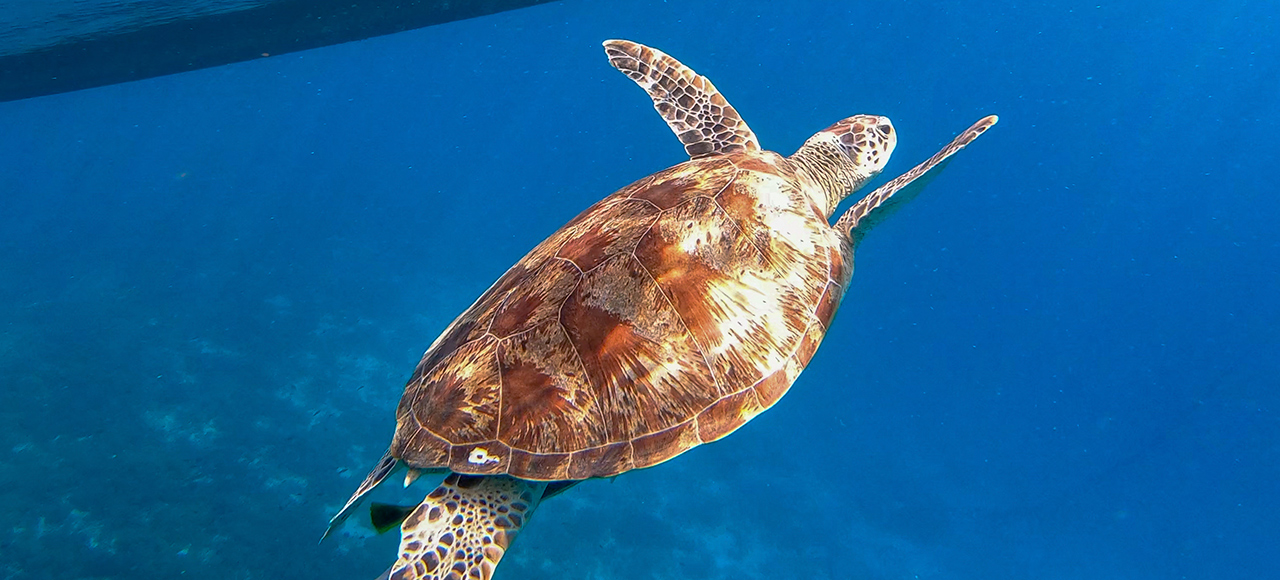
LATEST TURTLE UPDATES
TURTLE GAZETTE | PLEASE READ
https://bagnodigililuxury.com/turtle-gazette-lombok-gili
INVITE OUR GUEST TO RECORD THEIR TURTLE ADOPTION & RELEASE AT OUR GUESTBOOK
I would like to invite to share the name and your wishes for the turtle you adapted at our guestbook, so our office team can post them at our Online Turtle Gazette for our record and as a memory for you
Mr. & Mrs. X | France
‘Baby Turtle released on June 12 2026 at Bagno Di Gili’
Turtle 1 Name: Shanti
Turtle 2 Name: Josiane
DAILY REPORT IN TURTLE CHAT
COPY & PAST FROM TURTLE CHAT GROUP DESCRIPTION
TURTLE CONSERVATION REPORT
> Date: 08.05.26
> Time: 10:00am
> Guest Name: Mr. xxx – Mrs. Xxx
> Turtle Ranger in Charge: Pak Nengah – Pak Sawal
> Extra team in involved: Robby – Ramdan
> Turtle Quiz: ✅❌
> Turtle Adoption: ✅❌
> Your Evaluation: ⭐️⭐️⭐️⭐️⭐️
BAGNO DI GILI DAY-PASS ITINERARY
9:30AM: Suggested Departure time from Lombok Mainland
10:00AM: Turtle Conservation & Turtle Quiz: 10 Minutes info-session & Baby Turtle Feeding by one of our Certified Turtle Rangers (2 Pax)
10:30AM: Guided Turtle Safari / Snorkeling Tour (2 Pax)
12:00PM: Beach Apéro (Optional)
1:00PM: Chef Jiwa’s delicious OFYR® Open-Fire Lunch (2 Pax)
2:30PM: Canoe-Use
3:30PM: Gili Meno Statue Visit
4:30PM: Sunset Horse Rides (Optional)
5:30PM: Adopt & Release a Baby Turtle (Optional) & Turtle Gazette Record
INVITE TO CONSERVATION
INFO FROM TEAM TO GUEST
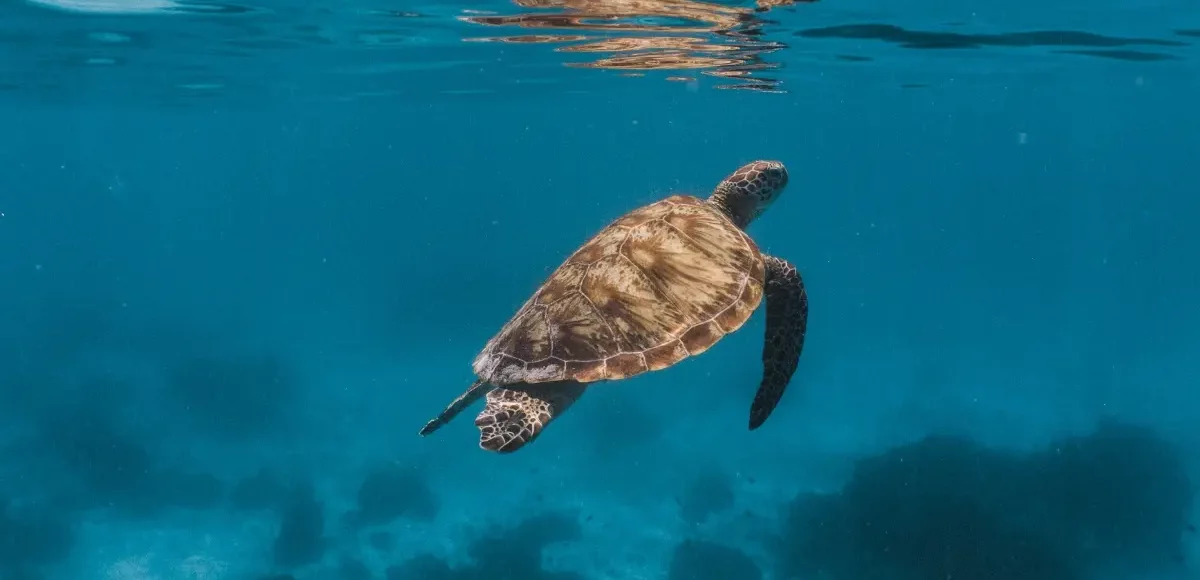
As part of our sustainability program, I would like to take around 10 minutes to share the story of our turtle conservation project before we begin the turtle safari. If conditions are suitable, we may also organise a special turtle release experience around sunset time. Would this be fine for you?
PLEASE FOLLOW ME TO OUR TURTLE RETREAT
Meet Our Turtle Rangers
Our turtle conservation program is guided by a dedicated team of 5 turtle rangers together with our owner ibu antje
- Pak Nengah – A respected local conservation guide with deep knowledge of Lombok’s coastal ecosystems and turtle nesting areas.
- Pak Sawal – Passionate about marine preservation and dedicated to protecting sea turtle habitats for future generations.
- Pak Jasse – With us for more than 10 years and passionated about turtles and snorkeling
- Robby – An experienced ranger focused on turtle monitoring, beach conservation, and guest education programs.
- Ramdan – Known for his enthusiasm and commitment to sustainable conservation efforts and marine protection initiatives.
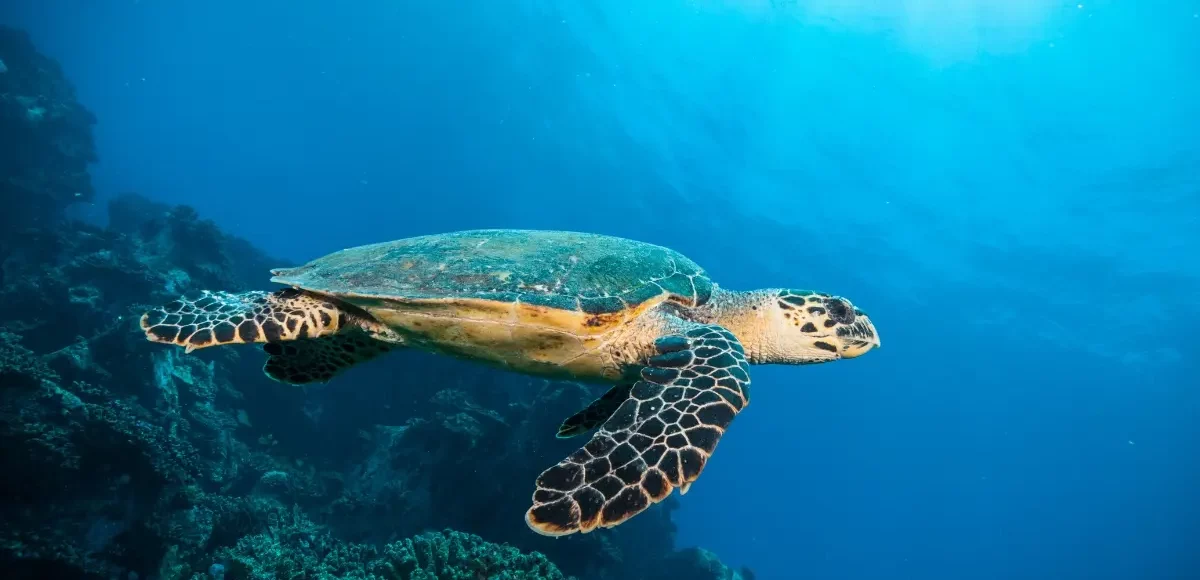
HOW THE CONSERVATION STARTED
THE STORY BEHIND THE CONSERVATION PROGRAM |
OUR TURTLE CONSERVATION PROGRAM STARTED IN 2022 – 4 YEARS AGO
When our owner, Ibu Antje, after she bought the land at Gili Meno, discovered turtle nests at Bagno Di Gili.
Same like at our Private Villa Estate. Even more at the silver-coloured sand.
That’s as well why our villa logo is a turtle
One of the reasons turtles choose our Villa beach is because of the silver-coloured volcanic sand, which stays warm and creates a natural environment for turtles to lay their eggs safely. Sea turtles naturally choose warm, quiet sandy beaches to lay their eggs safely. The silver volcanic sand and peaceful surroundings at our Private Villa Estate create a comfortable natural nesting environment for them.
Today, we continue to protect the nests, support turtle conservation, and educate guests about the importance of preserving Lombok’s marine life.
WE HAVE 2 TURTLE SANCTUARIES – ONE AT BAGNO DI GILI, ONE AT OUR VILLA ESTATE
WHY TURTLE CARE
WHY OUR TURTLE CONSERVATION PROGRAM & TURTLE CARE
We care for baby turtles until they are healthy, strong, and ready to return to the ocean safely.
Our team protects them and helps give them a better chance of survival in the wild.
P – A – S – E
4 REASONS FOR CONSERVATION
1. PROTECT ENEMIES | PROTECTION FROM ANIMALS THAT MAY HARM THEM
Baby turtles are very vulnerable when they are young.
We keep them in a safe environment to protect them from predators like bigger fish and ocean dangers
2. ADAPT SLOWLY | PREPARE FOR LIFE IN THE SEA
We help baby turtles slowly adapt to natural conditions before they are released into the ocean.
This helps prepare them for life in the sea.
3. STRONGER
With proper care and monitoring, the turtles grow stronger and healthier before returning to their natural habitat.
4. EDUCATIONAL OPPORTUNITIES | AS PART OF OUR SUSTAINABILITY PROGRAM
Our conservation program also helps educate guests bout sea turtle protection and the importance of caring for marine life.
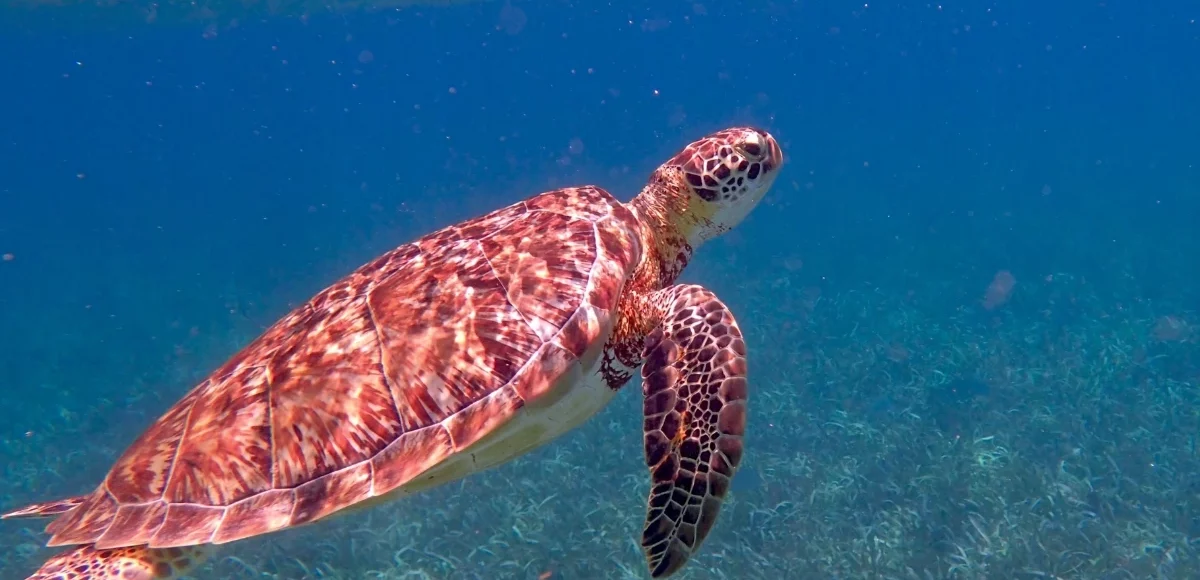
Why Turtle Conservation IS IMPORTANT
ONLY 1 TO 1000 SURVIVE TO ADULTHOOD
ONLY A SMALL NUMBER OF BABY TURTLES SURVIVE
Sea turtles are important for keeping the ocean healthy and balanced.
They help protect seagrass and coral reef environments that many other marine animals depend on.
Today, sea turtles face many dangers from nature and human activity, including pollution, fishing nets, and coastal development.
Only a small number of baby turtles survive to adulthood.
Through OUR conservation efforts, we help protect turtles during the most difficult stages of their life and give them a better chance to survive in the ocean.
10 THINGS TO KNOW ABOUT TURTLE NESTING
1.ADULT AT 20 YEARS
Female Sea turtles usually become adults are ready to lay eggs after around 20 years.
2.PAIRING
Adult turtles pair in the ocean during breeding season.
The male approach the female by agressively biting and climbs onto the female turtle in the water
The male turtle holds onto the female’s shell with his front flippers while they reproduce in the water.
This can last for several hours.
After this, the female carries the eggs for around 2 to 6 weeks before coming to the beach to lay them in the sand.
3.SAME BEACH AS BORN
Females usually return to the exact beach where they hatched to lay their own eggs
4.NATURAL GPS
When they are ready, they travel long distances across the ocean, sometimes thousands of kilometres, to return to the same area where they were born to lay their eggs.
Scientists believe turtles use the Earth’s natural magnetic field like a natural GPS to help guide them across the ocean.
5. TURTLE NESTING AREA
The eggs stay buried in the sand for several weeks before the baby turtles hatch.
When they are ready, the hatchlings naturally move toward the ocean, usually when the beach is calm.
6. EVERY TWO / THREE YEARS NESTING
Turles in Lombok and in particular Hawksbills usually nest every two to three years,
7. NESTING SEASON
Peak nesting seasons occurring from May to October
8. INCUBATION / TIME IN THE NEST / IN THE SAND
The incubation period typically lasts 45 to 75 days
During this time:
- Sand temperature plays a crucial role
- Warmer sand tends to produce more female hatchlings
- Cooler conditions produce more males
Survival rates are extremely low.
9. IT IS ESTIMATED THAT ONLY 1 IN 1,000 HATCHLINGS REACHES ADULTHOOD
10. UPDATES AT IBU ANTJE’S TURTLE GAZETTE
Your Update on Nesting, Hatching, and Turtle Happenings at our properties.
https://bagnodigililuxury.com/turtle-gazette-lombok-gili
Interesting Facts About Sea Turtles
How do sea turtles navigate?
They use the Earth’s magnetic field as a natural compass, enabling them to travel vast distances across oceans with extraordinary precision.
How long do sea turtles live?
Many species are believed to live for several decades, with lifespans often comparable to that of humans.
Do sea turtles sleep?
Sea turtles rest by slowing their metabolism and can remain underwater for extended periods, surfacing only occasionally to breathe.
What do sea turtles eat?
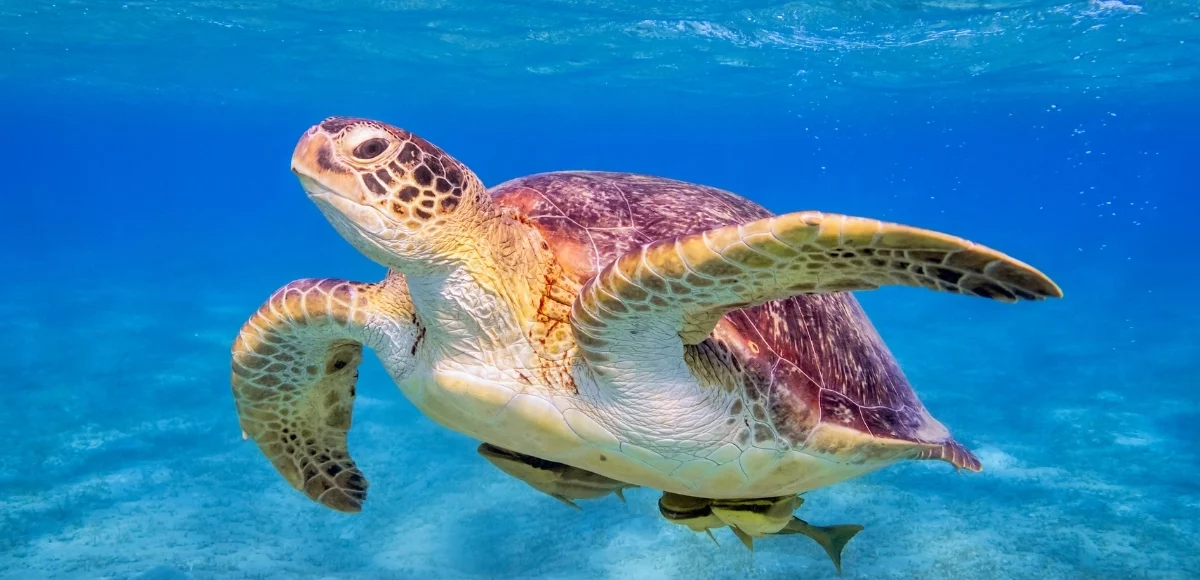
Diet varies by species green turtles graze on seagrass, while hawksbill turtles feed primarily on sponges within coral reefs.
Why are sea turtles important?
They play a vital role in maintaining healthy marine ecosystems, particularly by supporting seagrass beds and coral reef balance.
Do sea turtles return to the same beach?
Yes – females often return to the exact beach where they hatched to lay their own eggs, continuing a remarkable natural cycle.
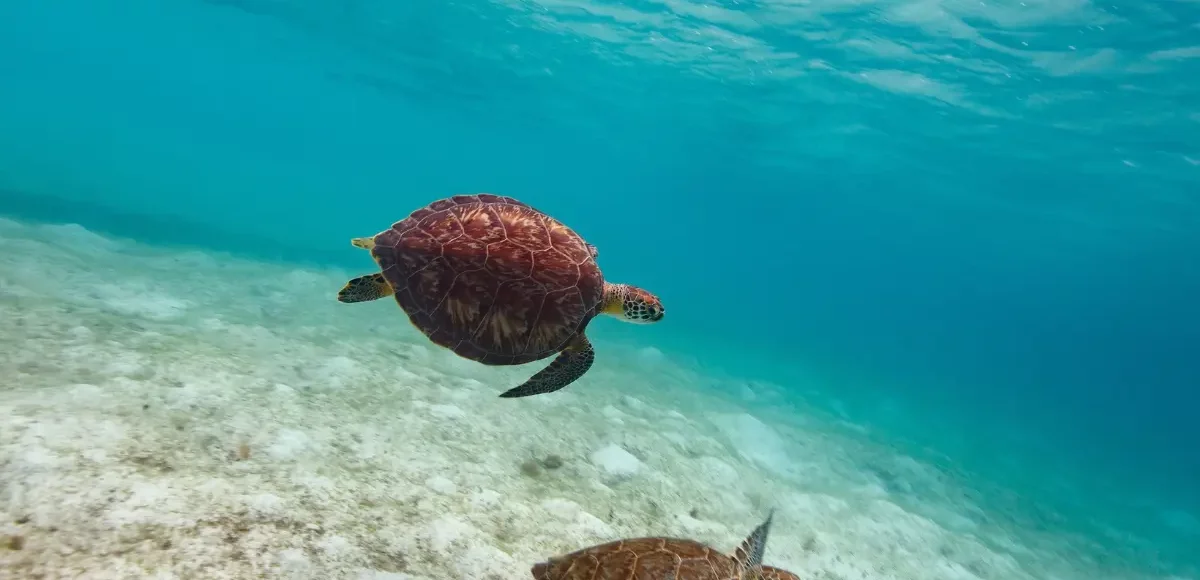
ABOUT TURTLES IN LOMBOK & GILI
ONLY 2 TURTLE TYPES IN LOMBOK
Hawksbill turtles are generally considered more rare and more special to encounter today.
This is why protecting them is very important for the future of our oceans
LEATHERBACK TURTLE
The Leatherback is the largest sea turtle species. It has a soft shell, dark colour
HAWKSBILL TURTLE
The Hawksbill is smaller in size and has a hard, colourful shell with a pointed mouth.
- Leatherback turtles are classified as Vulnerable globally, although some populations are critically endangered.
- Hawksbill turtles are classified as Critically Endangered, which means they face a very high risk of extinction.
AFTER THE NESTING
After the baby turtles hatch, the conservation team checks that they are healthy and strong.
FRESH WATER & TURTLE FEEDING TWICE A DAY
The hatchlings are kept safe from danger for a short period before being released into the ocean.
During this time, the team may monitor their condition, help weak turtles recover, and educate guests about turtle conservation.
TURTLE LOVE CHAT GROUP
Our entire team helps care for the turtles every day with love and attention. We also stay connected through our “Turtle Love” group chat, where the team shares updates, nesting information, hatchling news, and conservation activities.
WHEN ARE TURTLES READY FOR RELEASE?
Baby turtles are released when they are healthy, active, and ready to swim safely in the ocean, not fixed number of weeks
Depending on the conservation program, this may be after a few days or a short care period.
From government regulations we can not keep them longer than 6 months
What Do Sea Turtles Eat During Conservation and their time with us?
Many guests ask what turtles eat during conservation care.
We try to keep their food as natural as possible.
- Leatherback – mainly eats jellyfish.
- Hawksbill turtles eat small sea animals, jellyfish, small reef animals such as sea anemones and soft coral creature
DO’S AND DON’T FOR THE TURTLE RELEASE
✔ Do
- Watch quietly
- Follow your guide
- Let the turtle lead
- Enjoy the moment
One Important Rule: They WalkNo matter what: Every turtle must walk to the ocean on its own. Why? Because this short journey helps them:
Remember where they were born – Find their way back years later – Start life the way nature intended
That’s why you’ll never see turtles being placed directly into the water.
✖ Don’t
- Don’t touch (unless invited by staff)
- Don’t use flash
- Don’t rush or guide them
- Don’t place them in the water
DO’S AND DON’T DURING TURTLE SAFARI
✔ Do
- Swim calmly and slowly.
- Keep a respectful distance.
- Observe turtles quietly in their natural environment.
- Follow your guide’s instructions.
- Respect the ocean and marine life.
✖ Don’t
- Do not touch the turtles.
- Do not chase or ride the turtles.
- Do not feed the turtles.
- Do not use flash photography close to them.
- Do not block their path to the surface.
WHY?
Touching or feeding turtles can cause stress, change their natural behaviour, and affect their health. We protect turtles by allowing them to remain wild and free in their natural habitat.
ADOPT A BABY TURTLE AND BE IN OUR TURTLE GAZETTE
You are invited to symbolically adopt a baby turtle and support our conservation program.
As part of the adoption, your name will be included in our Turtle Gazette, where we share stories, record conservation updates, and turtle release moments from our sanctuary.
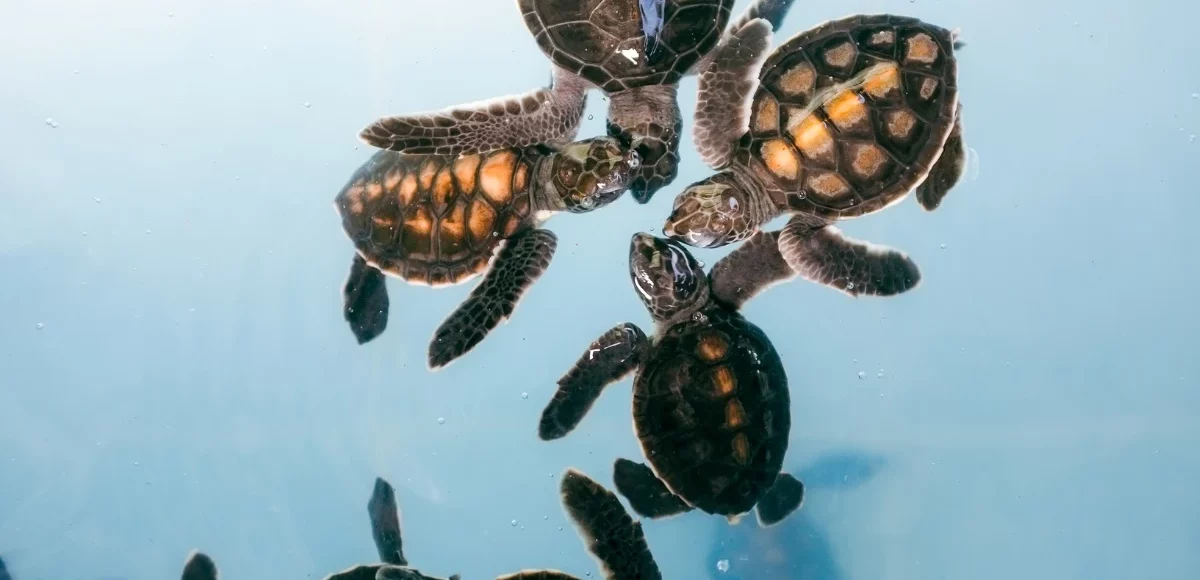
BECOME A TURTLE AMBASSADOR | 6 QUESTION & TURTLE QUIZ
BEFORE THE TURTLE RELEASE
Before releasing the baby turtles into the ocean, guests are invited to join a fun turtle quiz. This small challenge helps everyone learn more about sea turtles, conservation, and how we can protect marine life together.
Guests who complete the quiz will become an official TURTLE AMBASSADOR before taking part in the special turtle release experience.
-
FIRST OF ALL – WANT TO LEARN THE BAHASA NAME – PENYU
1.CAN SEA TURTLES HEAR AND SMELL?
Sea turtles do not hear in the same way humans do, yet they are highly sensitive to low-frequency vibrations in the water, which helps them detect movement and navigate their surroundings.
2.CAN SEA TURTLES SMELL?
Yes — sea turtles have a well-developed sense of smell, allowing them to locate food and, remarkably, to return to the very beaches where they were born.
3.CAN SEA TURTLES SEE WELL UNDERWATER?
Their vision is well adapted to the ocean environment, allowing them to navigate and find food efficiently beneath the surface.
4. HOW LONG DO SEA TURTLES LIVE?
Many species are believed to live for several decades, with lifespans often comparable to that of humans.
Many species may live for 50 to 100 years,
5. DO SEA TURTLES SLEEP?
BABY TURTLES – Baby turtles sometimes look like they are not moving when they sleep. They stay very still and calm in the water, but they are resting normally.
ADULT TURTLES – Adult turtles sleep underwater under rocks or float calmly near the surface. While sleeping, they are very relaxed and use less oxygen, so they can stay underwater for many hours before coming up to breathe air again.
6. HOW MANY HATCHLINGS SURVIVE?
Only a small fraction of hatchlings reach adulthood, which is why conservation efforts are so essential. Only around 1 in 1,000 baby turtles survives and becomes an adult. Many face dangers from pollution, plastic waste, and fishing nets.